Trail · Stepanavan
Dzoraget Gorge Loop
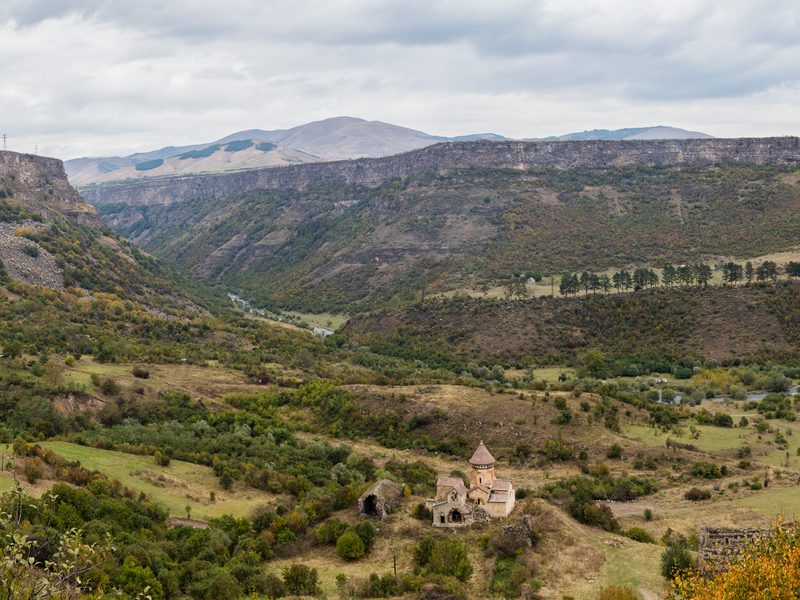
A dramatic canyon walk along rust-red tuff cliffs above the Dzoraget River, passing ancient cave hermitages carved directly into the rock.
Trails, monasteries, villages and hands-on experiences — all in one canyon region.
Showing all 22 places
A dramatic canyon walk along rust-red tuff cliffs above the Dzoraget River, passing ancient cave hermitages carved directly into the rock.
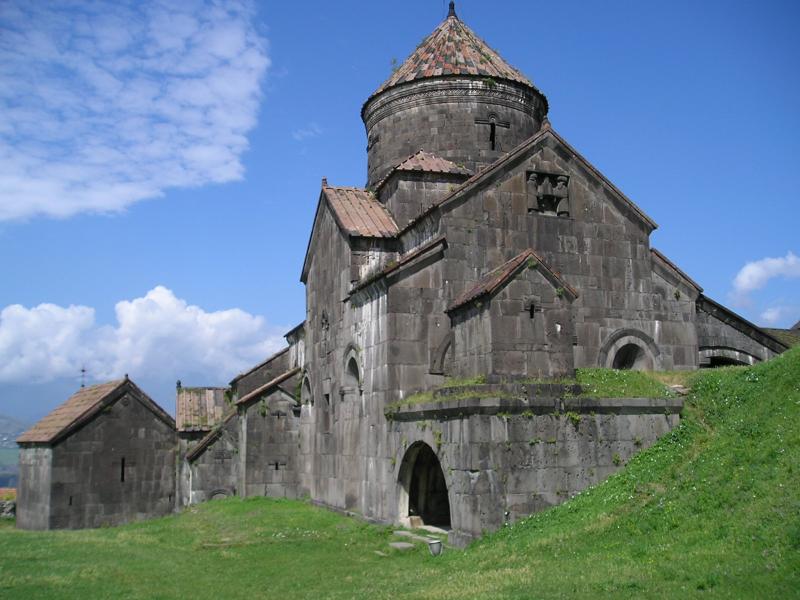
UNESCO-listed 10th-century monastery complex rising from a forested plateau above the Debed Canyon. Armenia's finest example of medieval sacred architecture.
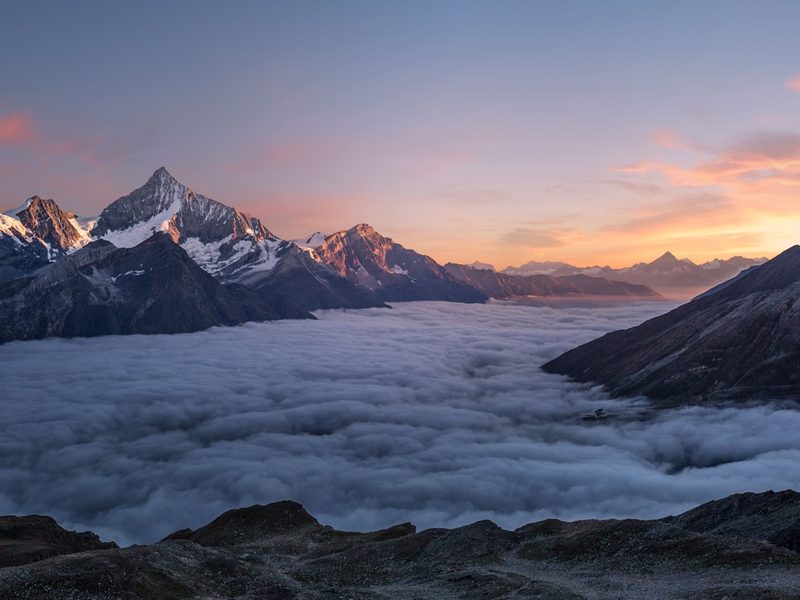
Perched at 1,400 m between forest ridges, Akner is one of Lori's most intact historic villages — stone houses, walnut groves, and a 13th-century church.
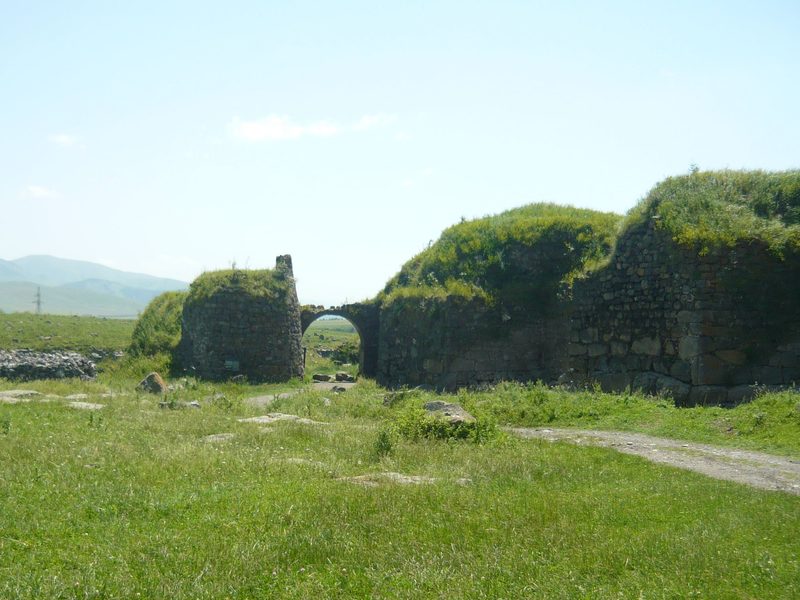
11th-century fortress city on a dramatic cliff peninsula — the capital of the Kingdom of Lori, abandoned 900 years ago and never rebuilt.
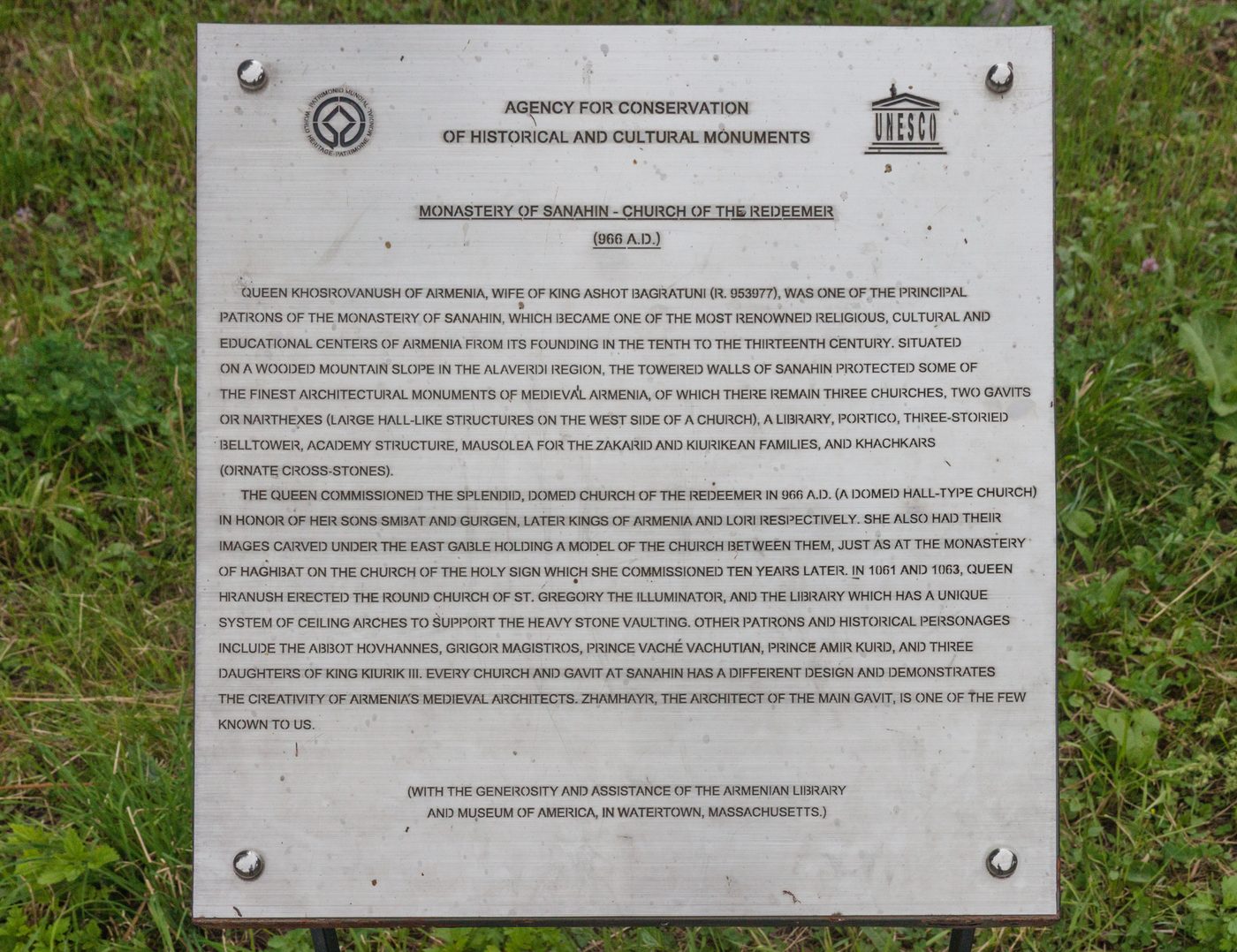
Twin to Haghpat and equally remarkable — a sprawling 10th-century complex with the birthplace of the legendary Mikoyan brothers beside it.
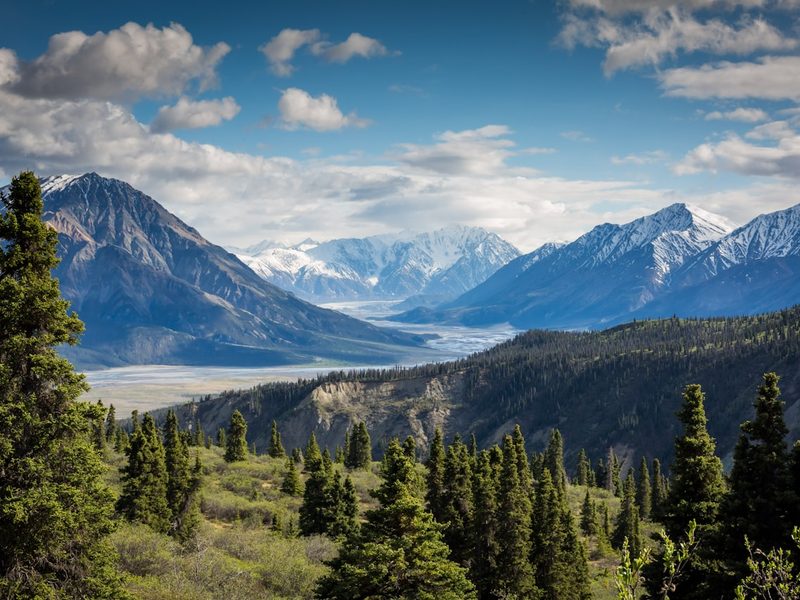
Follow the Debed River north from Alaverdi through copper-stained gorge walls, Soviet-era bridges, and dense forest — one of Lori's most varied walks.
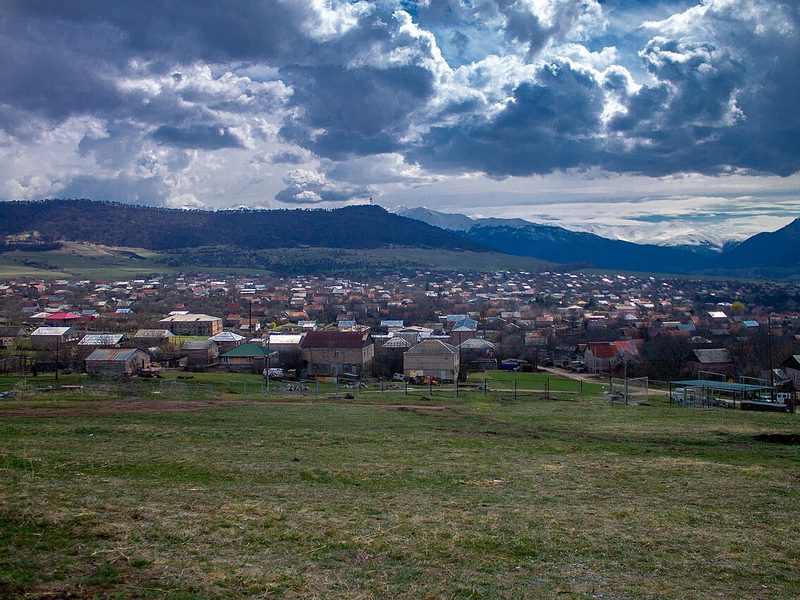
The birthplace of the poet Hovhannes Tumanyan, set in a gentle valley with a charming museum-house and surrounding meadows perfect for a slow afternoon.
Meet the last craftsmen working Lori's 3,000-year-old copper tradition — a guided half-day with a local metalsmith, foundry visit, and hands-on workshop.

Learn the indigo-and-vordan-karmir dyeing process that's made Lori carpets distinct for centuries — a small-group workshop with a master weaver in Stepanavan.
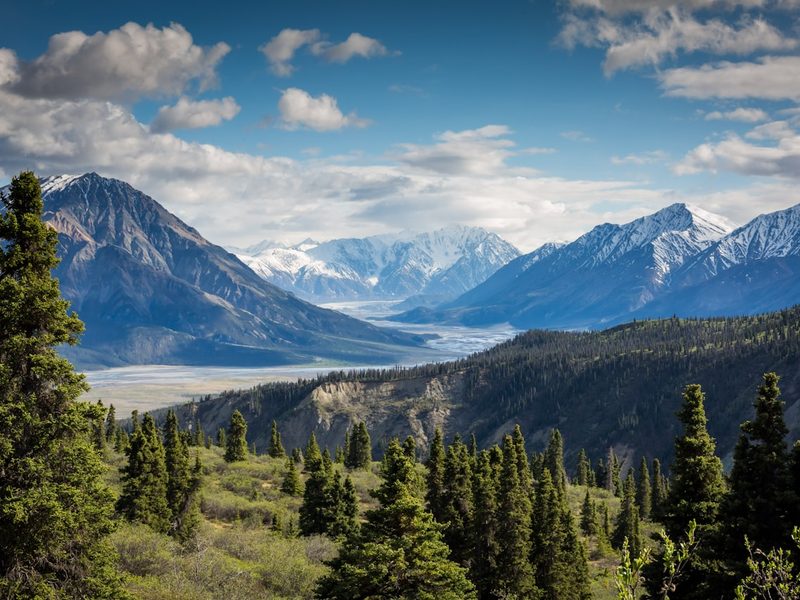
A high alpine traverse above 2,000 m with panoramic views across both the Debed and Pambak valleys — best in late summer when the meadows are in full bloom.
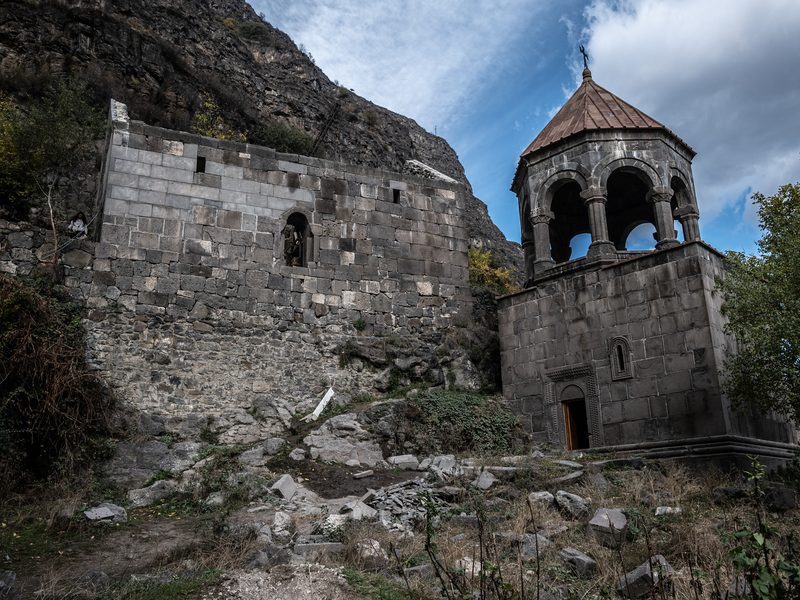
Half-ruined, half-magnificent — a 12th-century cliff-side monastery with remarkable Byzantine frescoes still clinging to crumbling walls above the Debed.
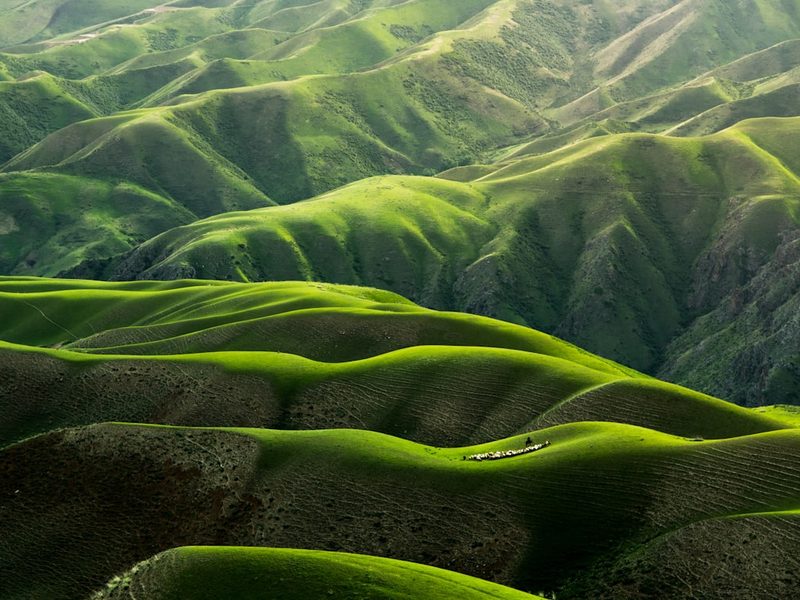
A hidden alpine lake in the north of Lori, rarely visited and surrounded by wild meadows — bring a tent and stay the night for the full effect.
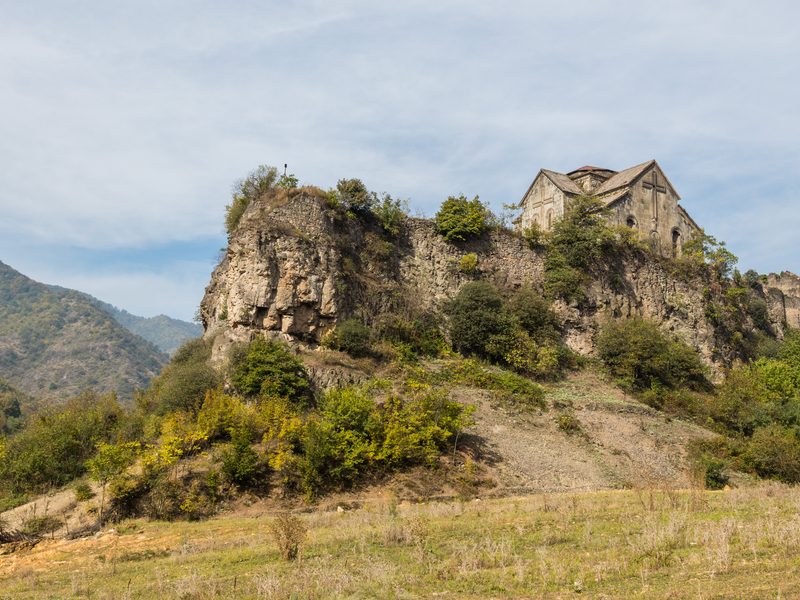
A 10th-century fortress-monastery with the most complete surviving Byzantine frescoes in the South Caucasus. Largely unvisited, spectacularly intact.
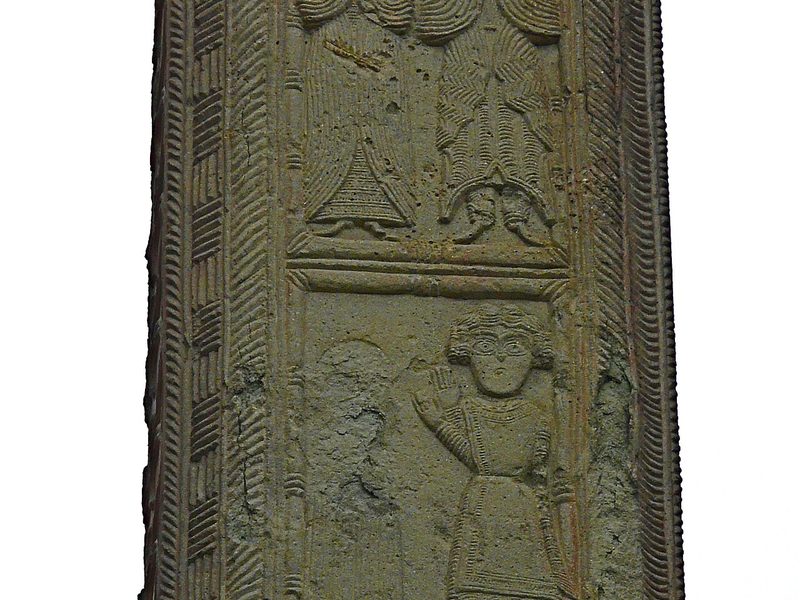
One of Armenia's oldest churches — a 6th-century basilica on a high plateau above the Debed, with sweeping views and almost no other visitors.
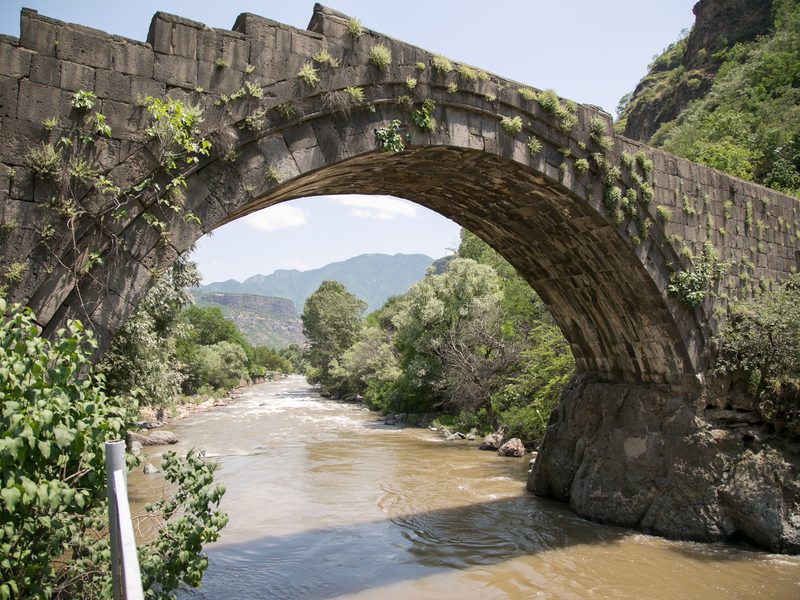
A single-arch medieval bridge spanning the Debed gorge ravine — 800 years old, still sound, and still used as a footpath between two villages.
Perched on a wide plateau 1,100 m above the Debed canyon, Odzun looks like the edge of something — fields, then forest, then a 400 m drop.
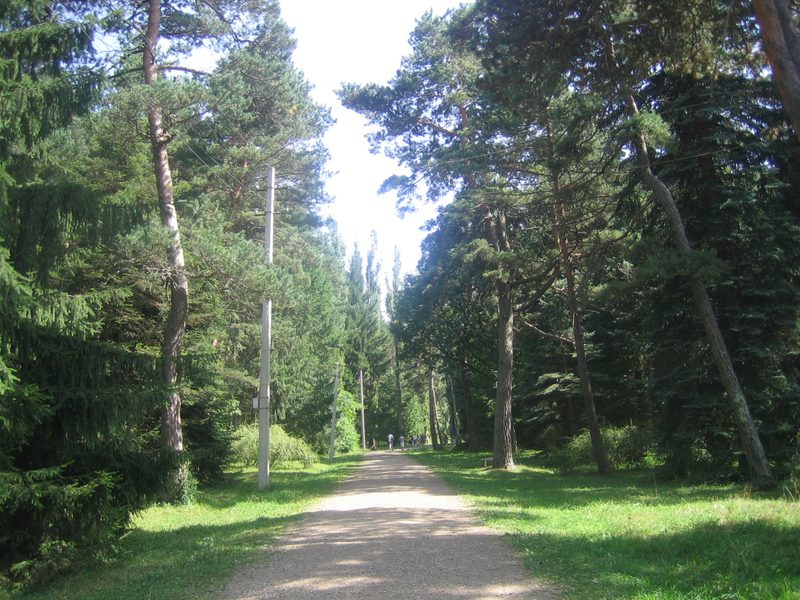
A 35-hectare park planted in 1933 with 620 species of trees from five continents. Come in autumn for the colour, or spring for the understory wildflowers.
One of Lori's largest traditional villages, spread across a hillside south of Stepanavan. Stone barns, khachkar-filled churchyards, and a weekly market.

A guided half-day walk through Lori's forest edge, learning to identify, harvest and cook with 15 edible plants that grow in the region from May to September.

Visit Vardan Hakobyan's forty hives at the forest edge above Akner — a morning among the hives, tasting linden, chestnut, and wildflower honeys from the jar.
A demanding high-alpine crossing along the Pambak range at 2,400 m — panoramic views north to Georgia, south to Aragats, and nothing but cloud and stone between.
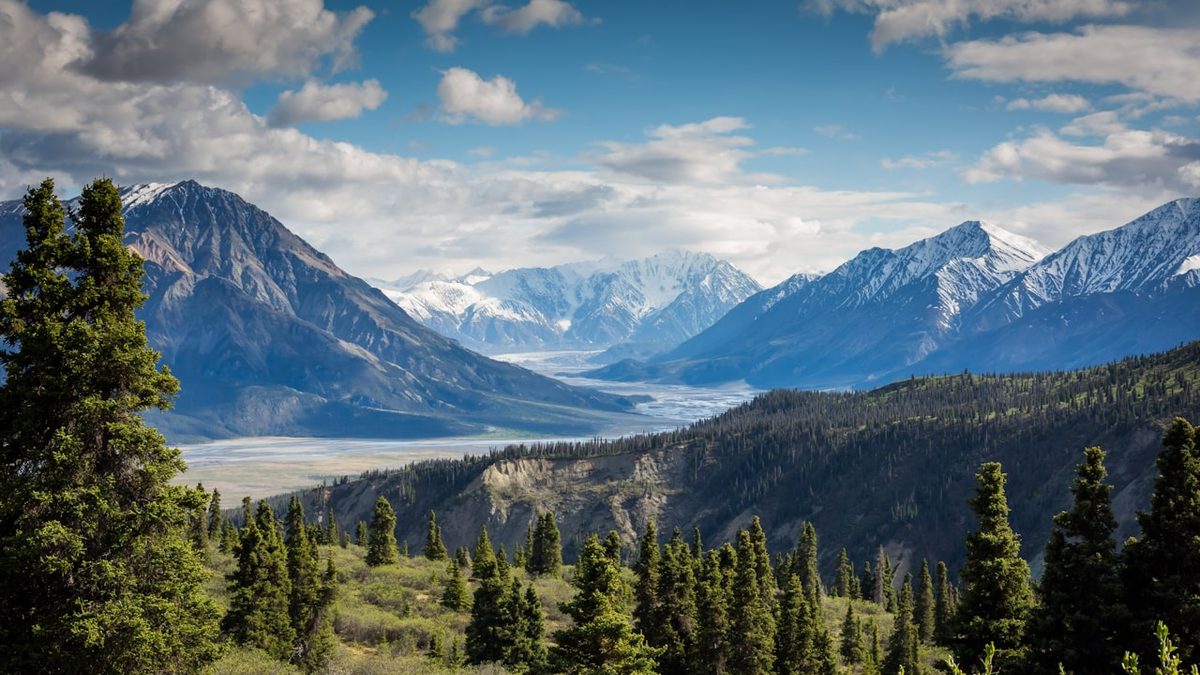
The strangest town in Armenia: a copper-smelting city built vertically into a 350 m gorge, connected by a Soviet cable car still running since 1958.
Explore Lori is built on local knowledge. If you know a trail, village, ruin, or hidden spring that deserves to be here — tell us.