Experience
Alaverdi Soviet Gorge Walk
3 hrsEasyYear-roundCable car included
Alaverdi is not a conventional tourism destination. It is a copper-smelting city, founded in Soviet times around the ore-processing plant that occupies the canyon floor. The city was built vertically to the geography of the gorge: the lower town sits at 800 metres above sea level at the base of a 350-metre-deep gorge; the upper town sits on the plateau above at 1,150 metres. For most of the Soviet period, the only practical connection between these two parts of the city was the cable car — the zhiraftir, or "rope transport" — built in 1958 and still operating today. It is one of the oldest working cable cars in the post-Soviet space.
The walk: Take the cable car from the lower terminus, located near the central market at the base of the gorge. Ride 350 metres up in a Soviet-era gondola with no particular safety theatre — no announcements, no security briefing, just a booth attendant who takes your fare (approximately 200 AMD each way) and starts the motor. From inside the gondola, you watch the gorge walls rise past you. The smelter chimneys below grow smaller. The upper town comes into view. The ride takes about 5 minutes.
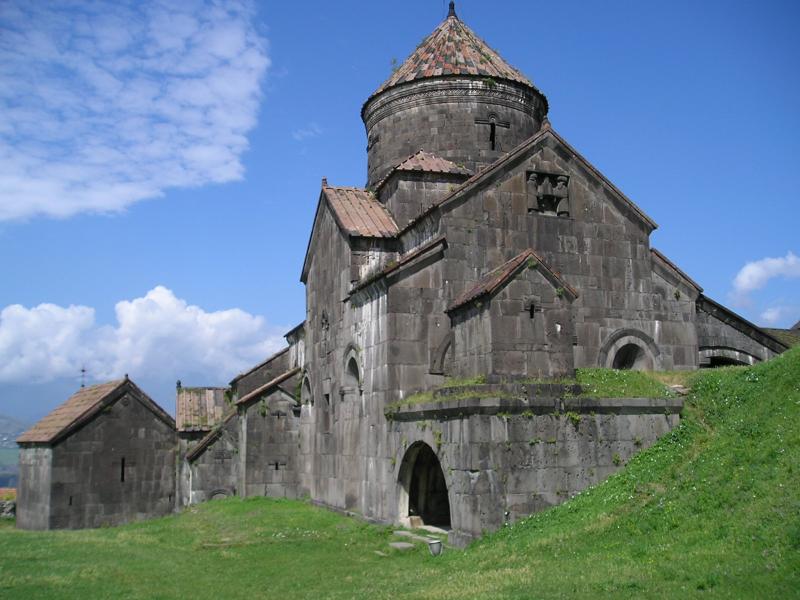
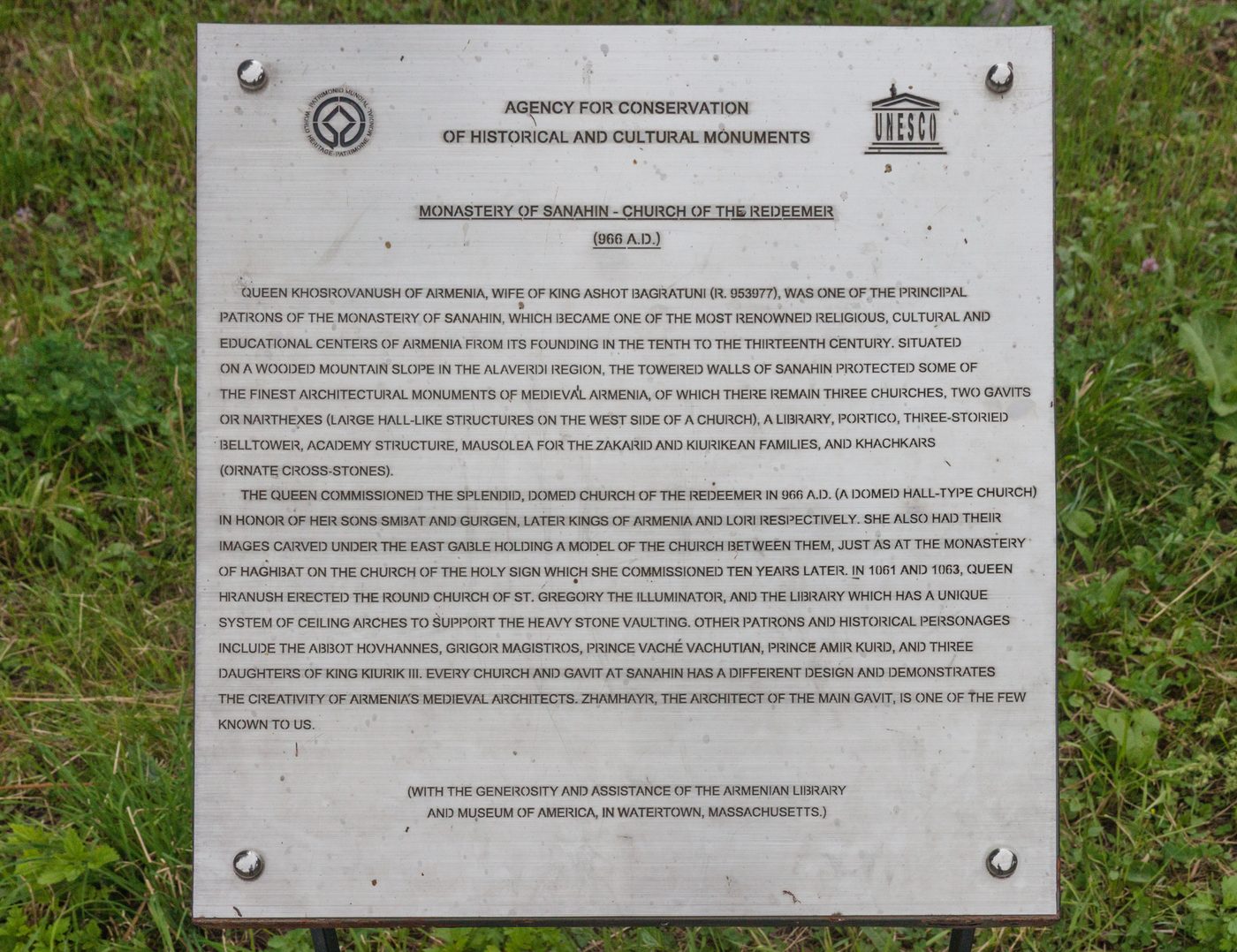
At the top, exit onto the plateau. Walk along the plateau edge, looking down at the gorge and the smelter complex below. The smelter is still active — you can see steam and sometimes smoke from the stacks. The Debed river is visible at the bottom, a thread of water far below. On clear days, Sanahin monastery is visible on the opposite cliff of the canyon. The view gives you the vertical geography of the entire city in one glance: industrial activity at the base, residential areas stacked up the walls, services distributed across the plateau above.
Descend by road back to the lower town — about 3 km downhill walk. The road winds down the gorge wall in switchbacks. As you descend, the smelter comes into view again, and the Soviet-era apartment blocks stacked into the cliff face become clearer. This 3-hour experience encapsulates Alaverdi's unusual geography and its industrial history.