Place
Lori Berd Fortress
2 hrsEasyOpen siteMedieval capital
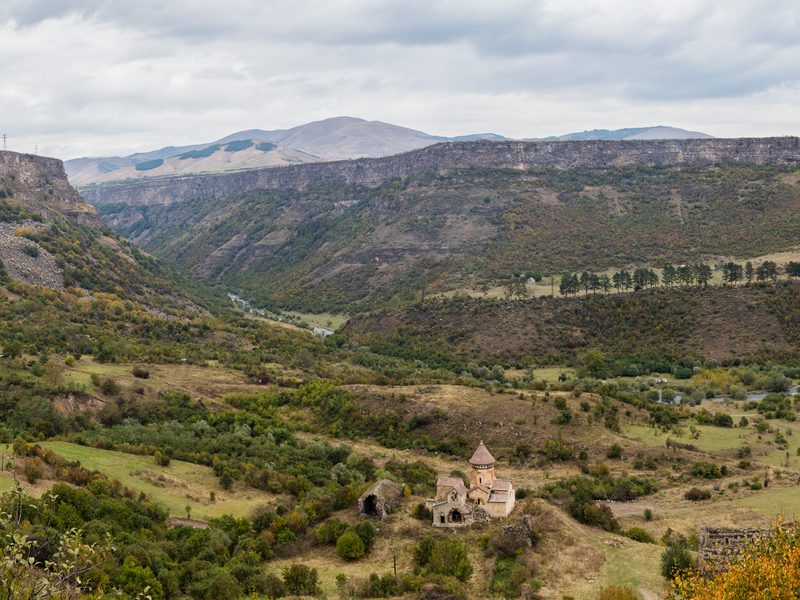
Lori Berd (Lori Fortress) was the capital of the Kingdom of Lori-Tashir from the 10th to 12th centuries—a significant medieval Armenian state that flourished during a period of relative stability between Byzantine and Persian expansion. The fortress occupies a dramatic natural defensive position: a 4-kilometre-long plateau with steep cliffs on three sides, situated at the junction where the Urut and Dzoraget rivers meet far below. The landscape itself is the fortress's greatest defence; no enemy could approach without being seen from kilometres away.
At its peak, Lori Berd housed thousands of residents and hosted the royal palace, a cathedral, and an elaborate water supply system—aqueducts and cisterns carved into the rock that once sustained the city. You can still trace the remnants of these systems as you walk the site: channels cut into the stone, collapsed cisterns, and channels that once carried water from distant springs. The city was abandoned following Mongol invasions in 1105–1110 and was never resettled. For more than 800 years, the fortress has stood empty, its stones weathered by the mountain climate, its function forgotten.
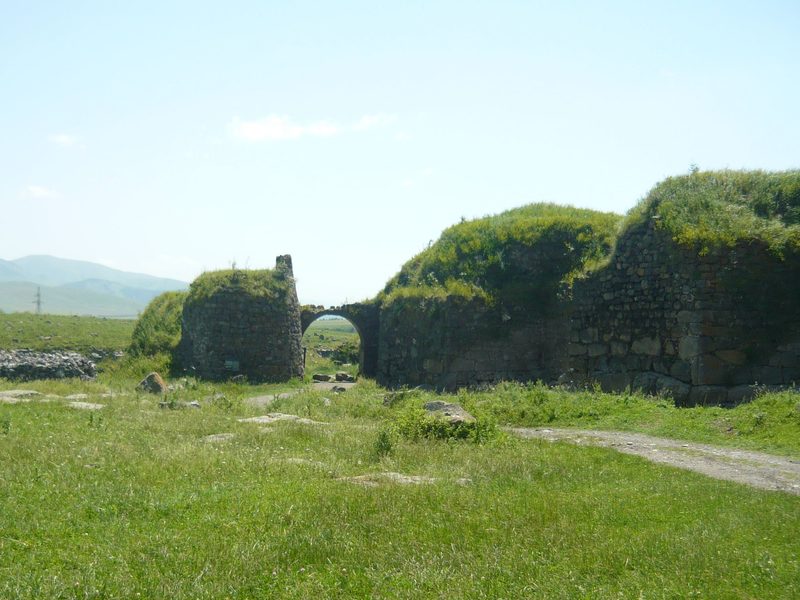
Today, Lori Berd is an open archaeological site with no fences, no entrance fee, and no official management—you walk freely among the ruins, exploring at your own pace. The western entrance gate, watchtower stubs, and portions of the palace foundations are the most legible remains; with some imagination (and a sketch map or local guide), you can reconstruct the layout of the medieval city. The views from the cliff edges are vertiginous: the rivers meet 150 metres directly below, and the sense of being suspended above the landscape is intense. This is not a manicured historical park; it is a windswept mountain ruin, alive with the presence of centuries.
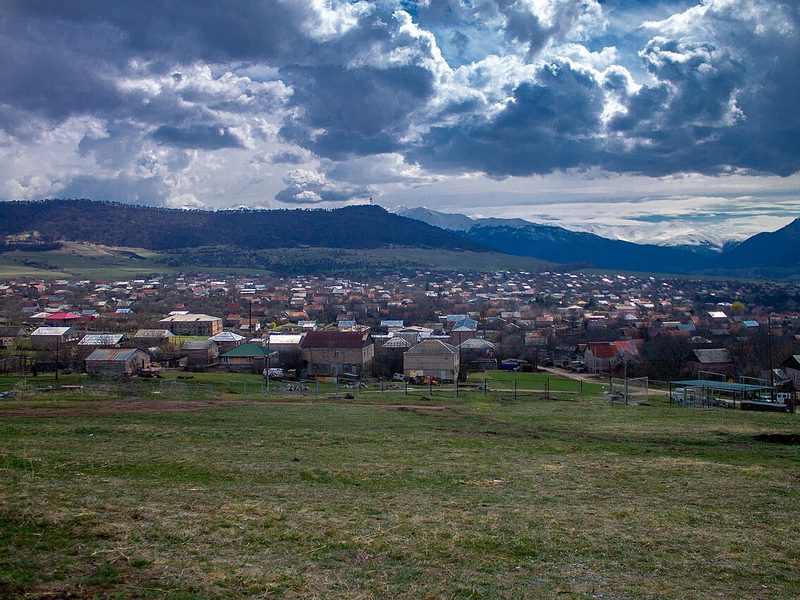
Lori Berd is 6 kilometres from Stepanavan town, clearly signed from the main road. The approach road is paved and in good condition. From the car park at the site entrance, the walk to the main ruins is 20 minutes on a flat, obvious path. The site is accessible year-round, though snow and ice may make footing treacherous in winter. There is no entrance fee and no official opening hours; visit anytime.