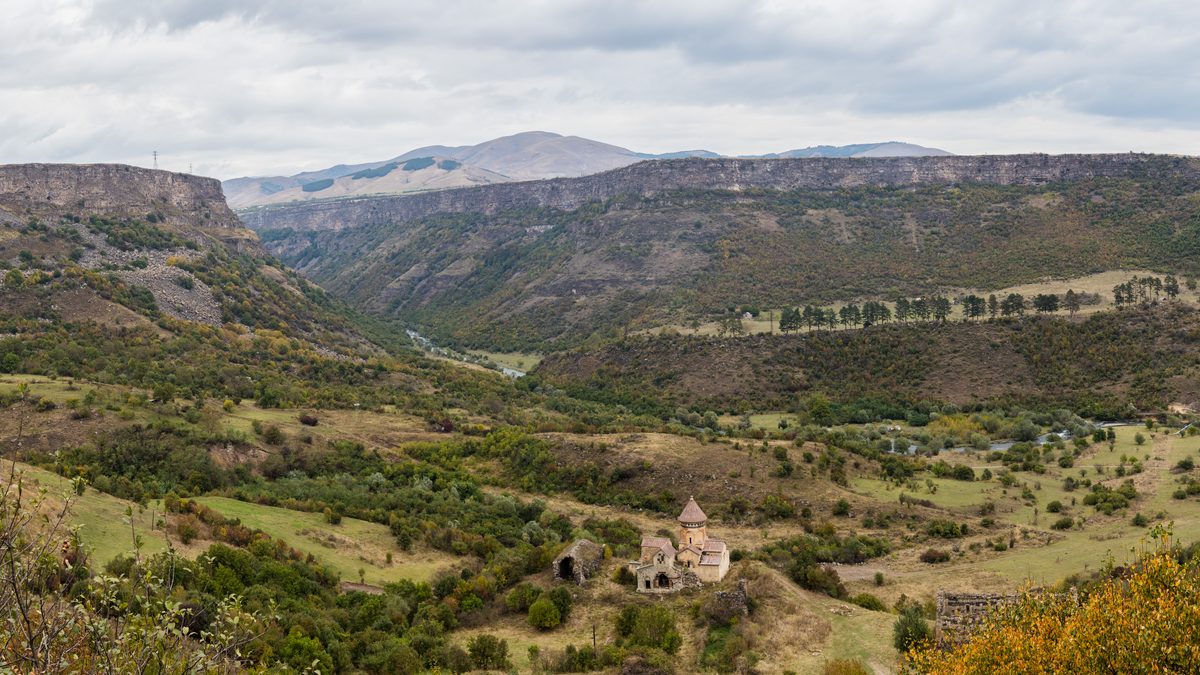
Culture & History
The Voice in the Stone: How Lori's Tuff Built a Kingdom
Dzoraget tuff isn't just a building material — it's a geological diary written in volcanic fire 2.5 million years ago. Walk the canyon and read the pages.
Written by locals, long-term visitors, and people who came to stay a week and are still here two years later.
Editor's Pick
Dzoraget tuff isn't just a building material — it's a geological diary written in volcanic fire 2.5 million years ago. Walk the canyon and read the pages.
Read Story →
Dzoraget tuff isn't just a building material — it's a geological diary written in volcanic fire 2.5 million years ago. Walk the canyon and read the pages.

Vordan karmir — the worm-dye that made Lori carpets famous — almost disappeared with the Soviet collapse. Three women in Stepanavan brought it back.

Tourists arrive by car and leave in an hour. But the real Haghpat begins after dark, when the forest goes quiet and the monastery reveals its actual scale.
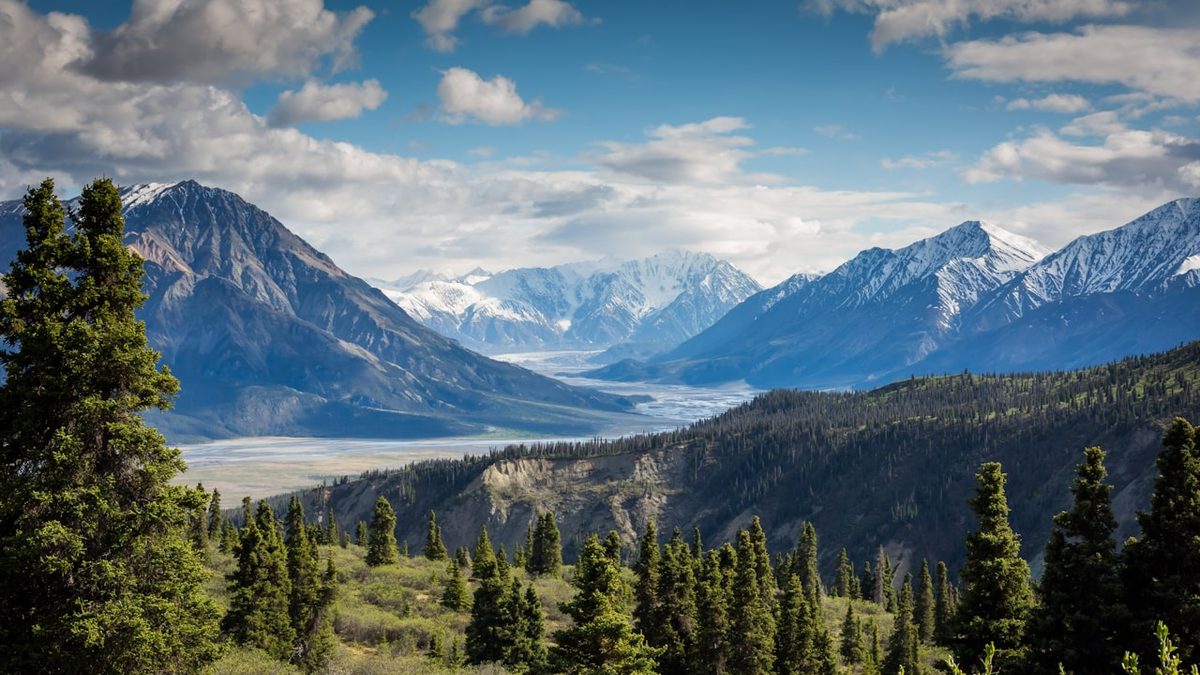
The smelter smoke is gone now, but Alaverdi's Soviet-era apartment blocks still cling to gorge walls no architect would dare today. A city that shouldn't exist.

At 1,400 meters, spring arrives late in Akner. For about three weeks in April, the village sits between bare winter branches and full green — pure magic.

Wild garlic, pine mushrooms, sour plums, and the tannic punch of homemade mulberry oghi. A season-by-season guide to eating in Lori's forests and kitchens.
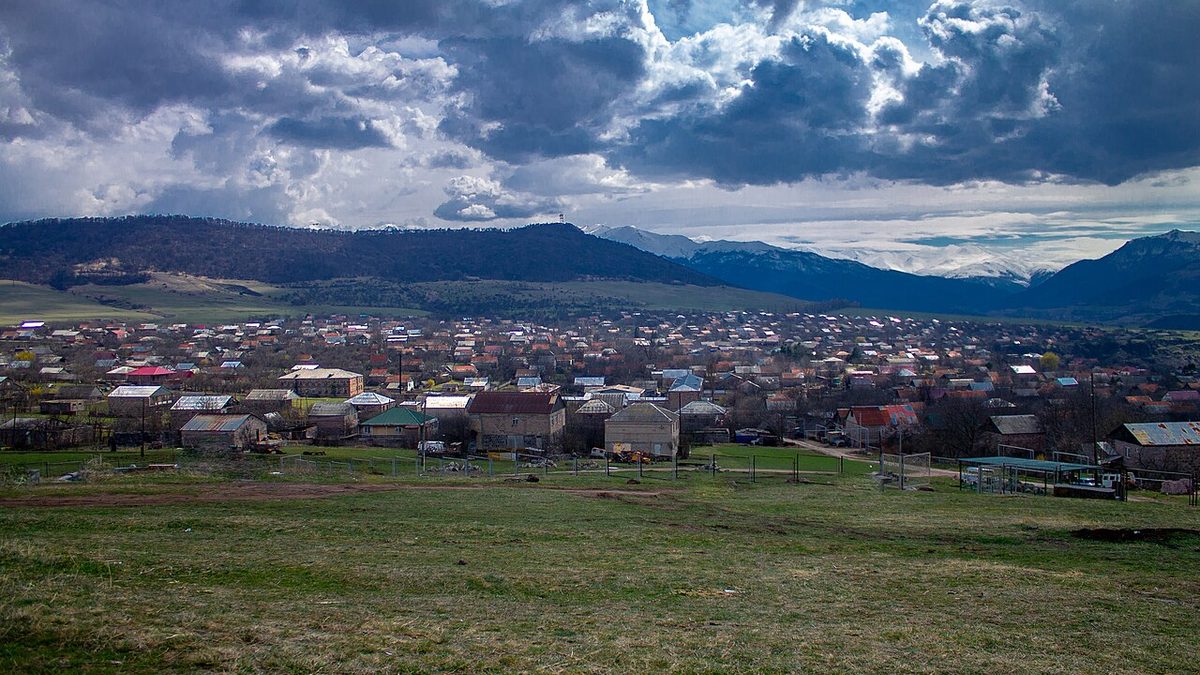
Armenia's greatest poet spent his childhood walking this exact path. The villages he wrote about are still there. Most of his readers never visit.

No tourists. No dust. Just you, black basalt walls, and the kind of silence that makes you understand why monks chose these particular gorges.
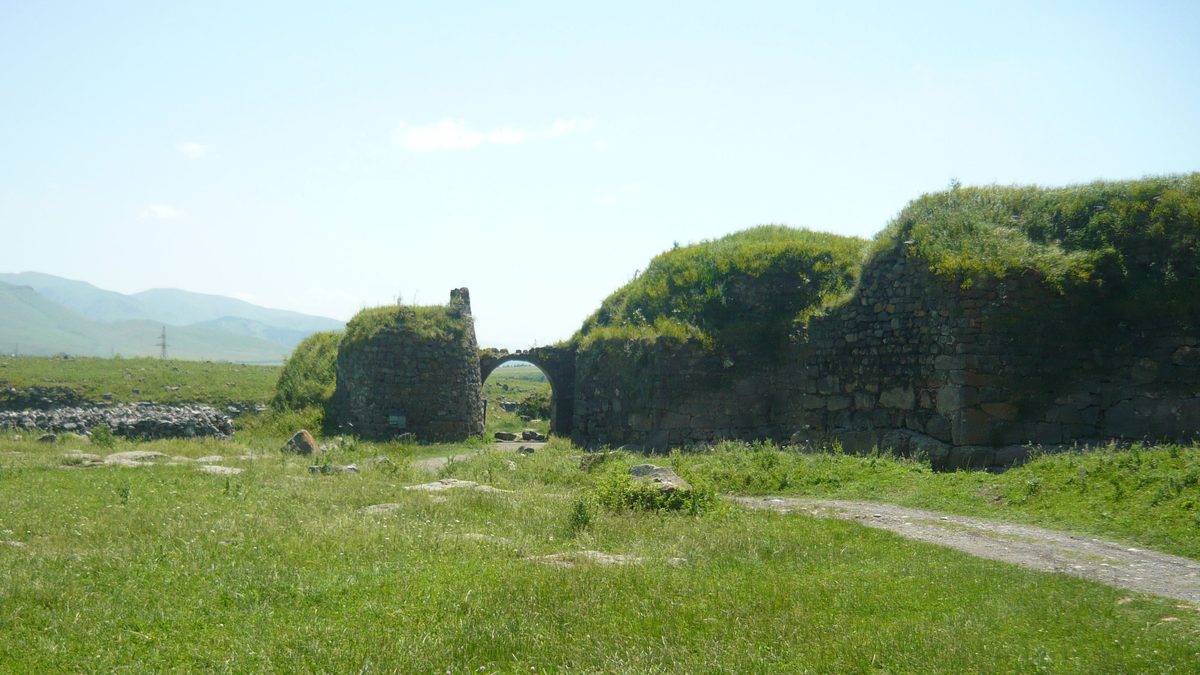
Kayan sat above the Debed for five centuries. It fell in an afternoon, because a woman told the Lezgins where the spring was.

An older beekeeper at the forest edge of Akner keeps forty hives and produces some of the finest honey in the region — linden, chestnut, wildflower.

November is when Lori shows itself honestly. The leaves fall. The tourists leave. The canyon's geometry becomes visible. Everything else can wait until spring.
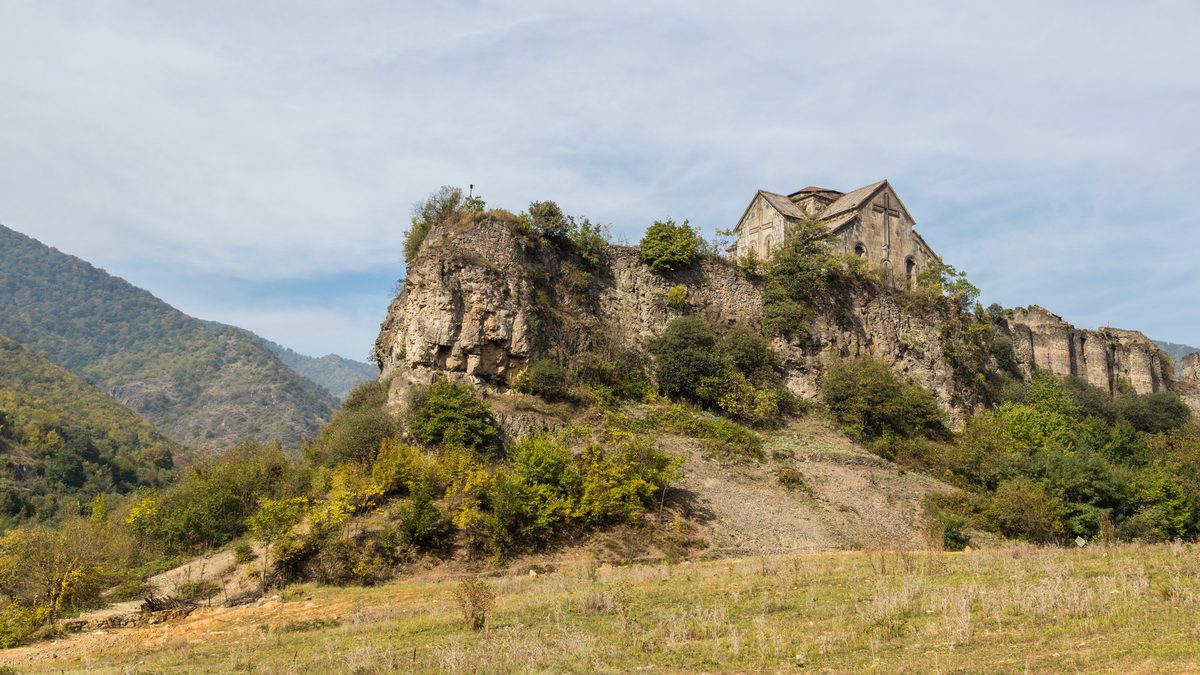
Most medieval frescoes in the South Caucasus are gone — chipped away, plastered over, or lost to war. Akhtala's survived. Nobody knows exactly why.
From wood sorrel in April to summer savory in August — a month-by-month guide to what grows, where to find it, and what to do with it.
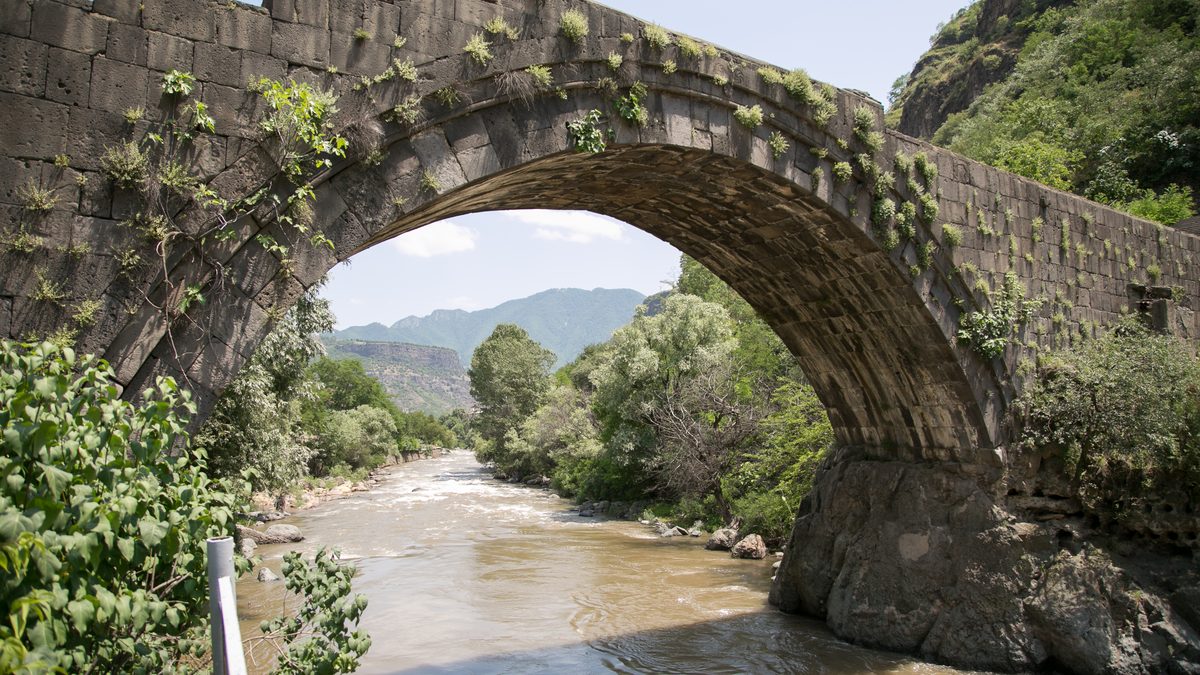
An 800-year-old bridge still carries foot traffic over the Debed ravine. This is the history of what it's seen — and what it stopped.
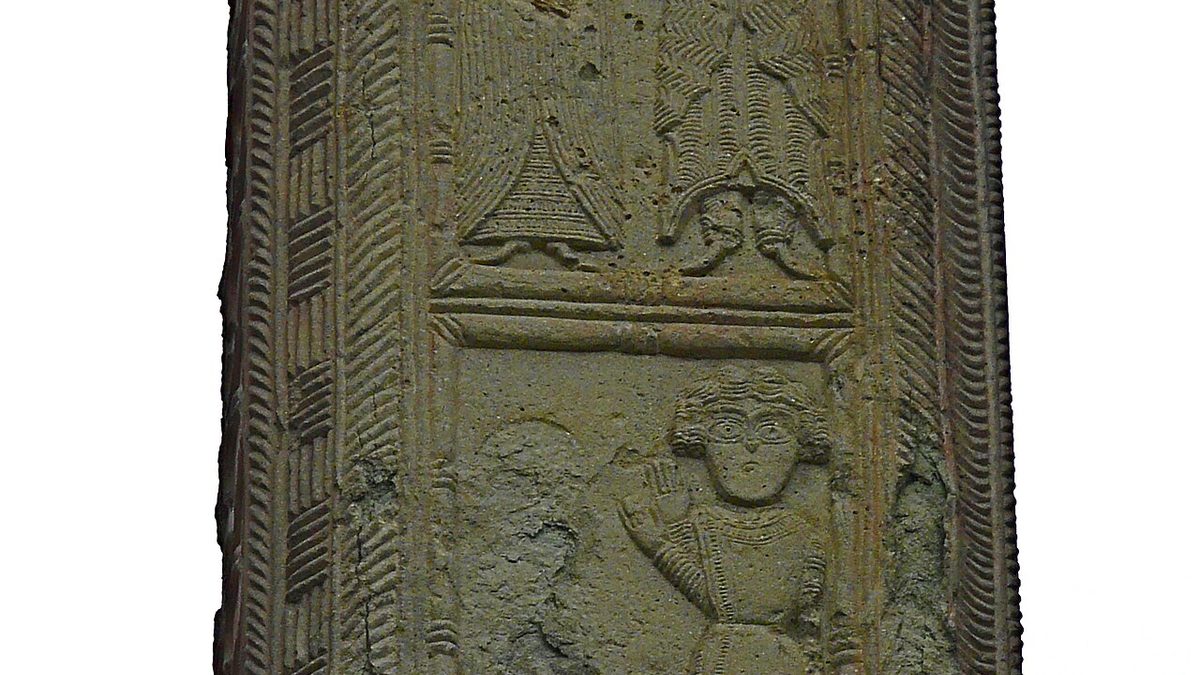
The village plateau ends in a 400-metre drop to the Debed canyon. The people who live here don't think much about the drop. They're used to the edge.

Every October, the same thing happens: a morning of white, a closed road, and half the villages in northern Lori cut off until spring. This is what that looks like.
A city built vertically into a 350-metre gorge, connected by a Soviet cable car still running from 1958. The copper smelter closed. The city didn't leave.
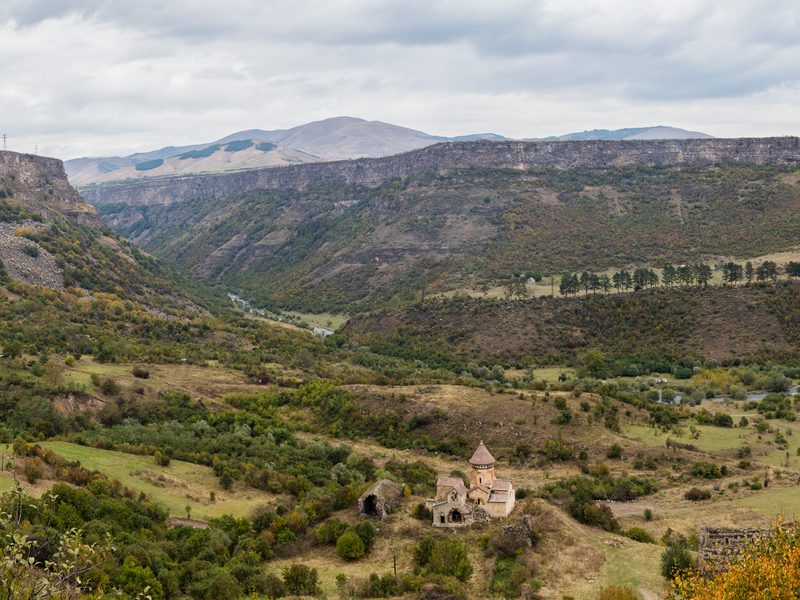
Two monasteries, three villages, one gorge trail, and a night in a farmhouse. The actual costs, the actual distances, and what to do if the weather turns.
The liturgy starts at midnight. By 3am the congregation is circling the monastery in darkness with candles. By dawn, everyone is eating in the churchyard.
If you know Lori well — as a local, a seasonal worker, a long-stay traveller — we want to hear from you. We pay for original stories, trail reports, and village portraits.