There is a moment, driving north from Yerevan toward Georgia, when the marshrutka rounds a bend in the Debed canyon and the gorge suddenly narrows. The road drops. And then you see it: Alaverdi. A city that should not exist, built at an impossible angle into cliff faces that rise 300 meters on either side. Soviet-era apartment blocks cling to the rock like they're glued there. Some buildings have no level ground beneath them at all—their foundations rest on bedrock at 45 degrees. This is copper country. This is Alaverdi.
The city exists for one reason only: the smelter. Not the modern smelter—though that's still there, scaled back and quieter than it was—but the idea of the smelter, the three centuries of copper extraction that made this gorge into an industrial zone when the rest of the world was still riding horses. Copper mining in the Debed canyon goes back, historians will tell you, to the Bronze Age itself. But the continuous story—the one that made Alaverdi what it is—begins around 1770, when copper smelting began here at serious scale.
By the Soviet era, the Alaverdi Copper Chemical Plant had become a massive operation. The facility climbed the eastern cliff face, tier upon tier of industrial apparatus—furnaces, refineries, processing units—connected by an intricate system of pipes and conveyor belts. To move workers between the lower town and the upper plant, the Soviets built a cable car: an aerial gondola that swung out over the void, carrying a dozen people at a time across space. The gondola still stands, its cables thick and weathered, its cabins painted a faded Soviet blue. On certain days it still operates, carrying the remaining workers and the occasional curious visitor. The ride takes three minutes and gives you time to think about what it means to descend into a city that was built upside down.
The Wound the Forest Remembers
For much of the 20th century, the SO₂ emissions from the smelter were so intense that the surrounding hills were bare. Completely bare. Photographs from the 1980s show hillsides that look like the surface of the moon—grey, lifeless, stripped of every tree and plant by the relentless plume of sulfur dioxide that rose from the plant day and night. The surrounding villages exist in those photographs like ghost settlements, their roofs the only color against the wasteland. The air would have smelled of burnt metal and sulfur. The people who lived there lived inside that smell the way fish live in water—it was simply the medium of their existence.
The forest is slowly returning now. Over the past two decades, as the smelter's operations have contracted, as the Soviet Union has ended and the industrial apparatus has degraded from lack of maintenance, the land has begun to remember how to grow. Young birches and aspens have colonized the lower slopes. Grasses push through the tailings. In spring, wildflowers appear in the most unlikely places—bright purple, yellow, white—like the land is teaching itself beauty again.
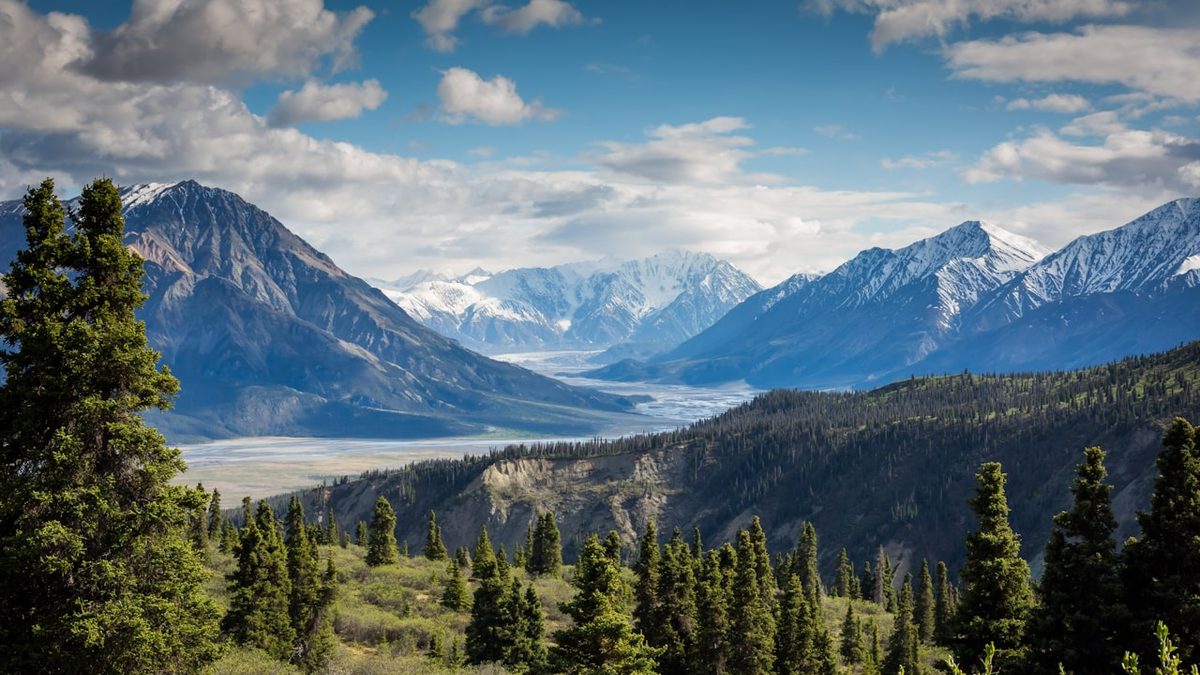
But if you walk the hillsides above the city, you will find strange things: rust-stained earth, minerals that have leached from the tailings, the particular desolation of industrial land that hasn't yet forgotten what was done to it. The recovery is real, and it's remarkable. But it's also incomplete, ongoing, a story that will take another century or more to resolve.
The Contrast That Holds Everything
What makes Alaverdi extraordinary is not the copper or the industry—it's the monastery. About five kilometers northeast, on a forested plateau that rises above the gorge, sits Sanahin Monastery. It was founded in the 10th century, and it has been in continuous religious use since then. In high summer, tourists arrive by the busload at Sanahin, spend 45 minutes photographing the red and black basalt of the church walls and the medieval khachkars in the courtyard, and leave. Few of them ever actually look north and down, toward where they came from, toward Alaverdi.
But if you do look, if you stand at the edge of the Sanahin terrace and look south, you see the copper city below—the modernist apartment blocks, the industrial structures, the cable car swinging over the void. And then you look back at the medieval monastery, 1,000 years old, black stone and red stone and green moss, the chanting you might hear from the chapel on a quiet afternoon. The contrast is so stark it becomes almost surreal. It's like looking at two different centuries at once, two completely different understandings of what a human settlement could be, both visible in the same glance.
This is what Lori does to you. It confronts you with these contradictions: industry and history, beauty and degradation, the made and the grown. Alaverdi doesn't hide any of it. The smelter is still there. The scars are still visible. But the forest is coming back. The people are still here. The city is figuring out what it is, after 250 years of being only one thing.
Arriving and Walking
If you're coming from Yerevan, take a marshrutka from the Kilikia station (they leave throughout the day, roughly every 30 minutes in summer, less frequently in winter). The journey takes about two hours. The driver will navigate the canyon road with the kind of aggressive confidence that only comes from doing it 100 times a week. There will be moments when you will wonder if this is safe. It is safe, mostly.
The marshrutka drops you at the bus station on the main road running through the lower town. From here, you can walk down into the city center—past the market where local women sell vegetables and dried fruit, past the Soviet-era cafés where men drink coffee and play backgammon. The streets are steep. The architecture is a mix of Soviet modernism and older Armenian stone houses, some of which predate the industrial era. On warm days, people sit outside their homes with the particular patience of small-town life.
If you want to ride the cable car, ask at the station where it departs from. It doesn't run on a fixed schedule; operation depends on the day and the season and sometimes on whether the plant supervisor feels like turning it on. But when it does run, it's worth the experience. The gondola climbs, swinging slightly, and below you the gorge opens up: the Debed River a thin green line, the walls of basalt and tuff towering on either side, the city spreading across the opposite face like some impossible human argument against geography.
"The recovery is real and remarkable. But it's also incomplete, a story that will take another century or more to resolve."
Most visitors spend an hour in Alaverdi. They photograph the dramatic approach, maybe ride the cable car, and move on toward Haghpat or Sanahin. But if you stay longer—if you sit in one of the cafés and talk with someone who has lived here their entire life, or if you walk the old paths that connect the upper and lower towns, or if you just sit and listen to what a city sounds like when it's learning to be something other than an industrial plant—you will begin to understand what makes this place matter. It's not romantic. It's not picturesque in the way that Sanahin is picturesque. It's honest. It's a city that has survived something hard, that is slowly learning to grow again, and that doesn't apologize for what it was or what it is now.
Ready to experience the contrast? Combine your visit to Alaverdi with the ancient monastery that overlooks it. Learn more about Sanahin Monastery and the entire Debed canyon region.