The service begins at midnight on Holy Saturday. By 1am the church is full and the air smells of incense and wet stone. By 2am your feet hurt. By 3am something happens that you don't expect.
The Midnight Service
The Armenian Apostolic Easter liturgy is not the same as Western Christianity's Easter. The calendar is different — the Armenian Church follows its own computation. Easter often falls on a different date. The liturgy itself is different — it follows patterns established over fifteen centuries, with roots in the apostolic period and evolution through medieval and modern times.
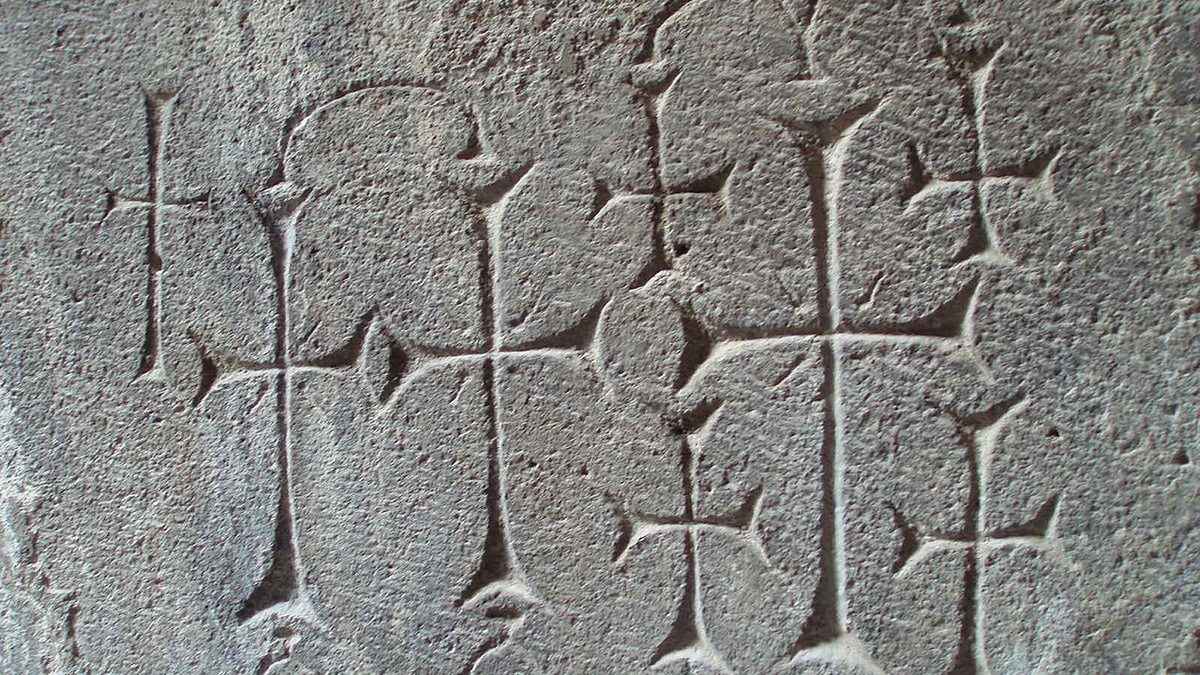
The service is called Gisher Arark — the night service. It begins precisely at midnight. Candles are distributed to everyone in the church. The space is ancient — the Haghpat church is from the 10th century, built in the height of Armenian medieval architecture. The stone walls absorb and reflect sound in ways that modern churches don't. The voice of the deacon echoes. The acoustic is such that every syllable is distinct but somehow also immersive.
The service structure is formal but not static. There's a liturgy of preparation, then the reading of the resurrection narrative, then a processional. The entire service lasts approximately four hours — from midnight to approximately 4 a.m. You stand the entire time. There are no pews in the traditional sense, no places to sit. You're on your feet. Your legs begin to hurt after 90 minutes. By two hours, your feet are in genuine pain. By three hours, you're aware of nothing but your legs.
The Physical Reality of the Liturgy
The church is packed. At Haghpat on Easter, three hundred people might be in a space designed for perhaps two hundred. People stand shoulder to shoulder. The air fills with the heat of bodies and the smell of incense and the salt smell of wet stone walls. The candles burn. The light is warm and flickering. No electric lights are used — the church is lit entirely by candle flame.
Then the deacon processes. The deacon is the voice of the service — not the priest, but the vocalist who chants the liturgy. At Haghpat, the deacon's voice is trained and powerful. It carries through the stone church with a clarity that is almost eerie. You hear each word distinctly. The chanting is in Classical Armenian — Grabar — which most people in the congregation don't speak in daily life. But the sounds are familiar. The patterns are encoded generationally. People know the responses without reading.
Your legs hurt. Your feet are numb. The incense rises. The candles burn. The deacon's voice fills the space. This is the condition of the body at Haghpat at 2:30 a.m. on Easter.
The Procession and the Darkness
At approximately 3 a.m., the congregation moves outside. This is called Khavarutyun — the Resurrection Walk. The congregation circles the exterior of the church, processing counterclockwise, holding candles. The night is cold. The canyon wind is significant at the edge of the plateau. The candles flicker and strain against the wind. The monastery is not lit by electric light — there is no external illumination.
You're walking in near-total darkness, holding a small candle, processing around a 10th-century stone structure. The canyon is below. You can't see it, but you know it's there — 400 meters of air between the monastery and the canyon floor. The deacon continues chanting. The congregation continues responding. The procession continues.
Then the wind comes. It's a gust that flows up from the canyon, the specific wind pattern of the Debed gorge at night. The wind hits the procession. The candles — hundreds of small flames held by people walking in darkness — the candles begin to go out. Not all at once. In waves. A patch of candles here, another there. The darkness deepens as more flames extinguish.
What Happens When the Candles Go Out
This is the moment. The moment that no one plans for but everyone understands. As the candles go out, darkness settles. The procession continues but the light is failing. People look to the remaining lit candles. Someone with a still-burning candle will hold it toward someone whose candle has gone dark. Flames pass. A candle that was burning at the front of the procession might travel toward the back. The transmission of flame is physical and communal.
The deacon continues. The chanting doesn't break. The procession continues in near-total darkness with only a handful of lit candles remaining and the congregation moving to relight their candles from these remaining sources. It looks chaotic from outside. From inside — walking in the procession, holding your relit candle — it looks like grace. Like something has been demonstrated. Like the continuity isn't automatic. It has to be passed hand to hand, person to person. The light survives because people carry it.
The procession completes. The congregation re-enters the church. The service concludes at approximately 4 a.m. People genuflect. The deacon chants the final prayers. The candles are extinguished. You walk out of the church into the approaching dawn.
After the Service
The sun rises slowly from the east. People gather in the churchyard with food they've brought from home. Easter bread — lavash or traditional shaped breads — are distributed. Red eggs, symbol of resurrection. Cold meats from Thursday's preparations. People sit on the stone steps of the monastery and eat as the light increases. The monastery cook — there is someone who manages the kitchen — brings out coffee. People drink coffee and eat bread at dawn on the steps of a 10th-century church.
People talk. People who know each other embrace. People from Alaverdi and Vanadzor who've made the journey for the service sit with people from the surrounding villages. The canyon wall across from the monastery gradually becomes visible as the light improves. By 6 a.m., it's fully light. The liturgy is complete. The resurrection has been commemorated. Now you eat and the day begins.
Who Comes to This Service
It's not a tourist attraction. You won't find organized tours promoting Haghpat Easter as a must-see event. The people who come are people for whom this is their church. They come from the villages in the area because this is where they worship. Some come from Alaverdi and Vanadzor — urban populations who've maintained church connections. A few visitors come, drawn by guidebooks or by chance. But the service is not performed for visitors. It's performed for the congregation. If visitors are present, they're accommodated, but they're not the purpose.
The service is physically demanding. You stand for four hours. Your feet hurt. You process in darkness. It's not a comfortable experience. This is probably why tourists don't dominate it. The experience is genuine. It belongs to the people who practice it regularly. If you arrive, you're welcome to participate. But you're expected to respect the seriousness of the occasion. This is faith embodied in practice, not faith packaged for consumption.